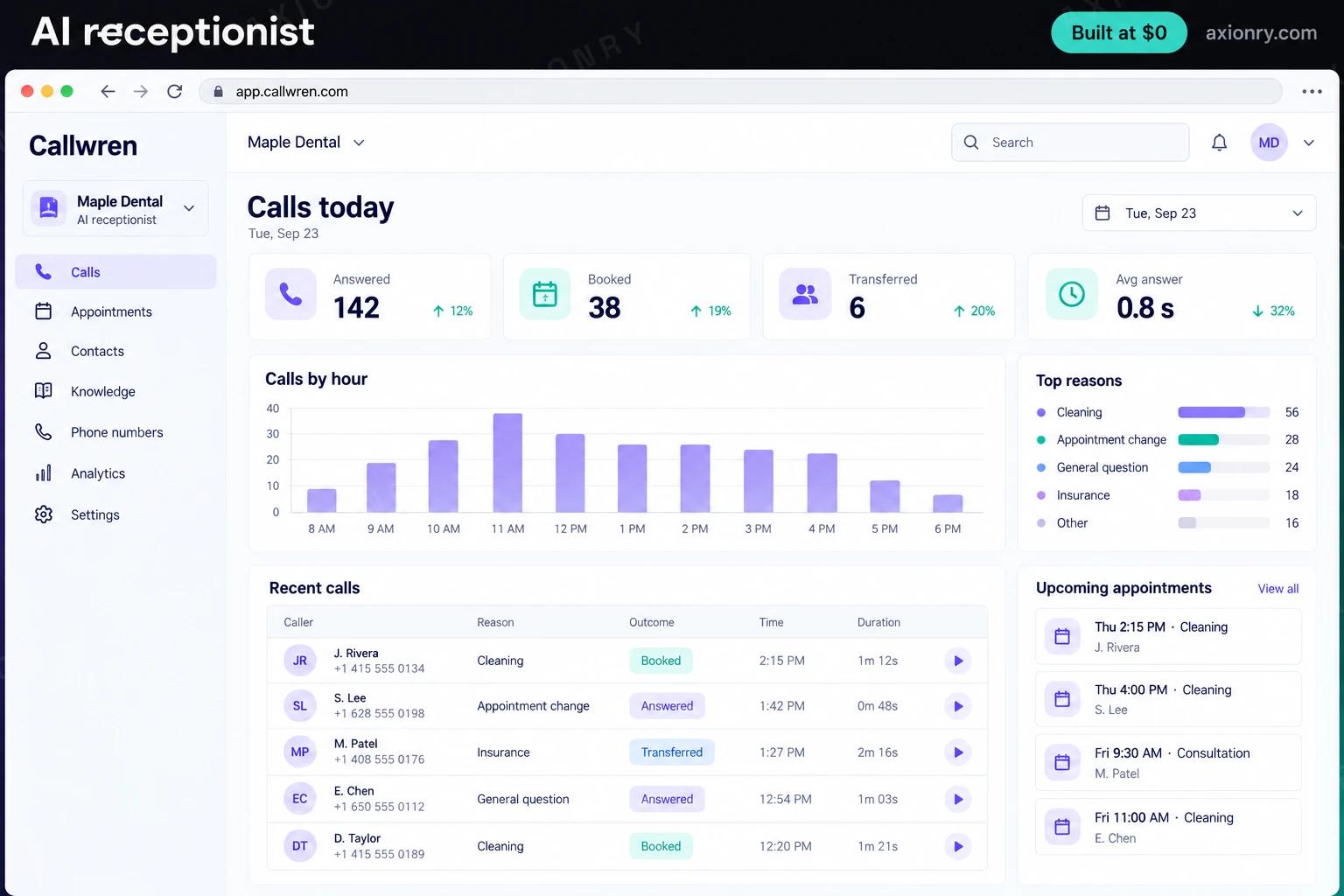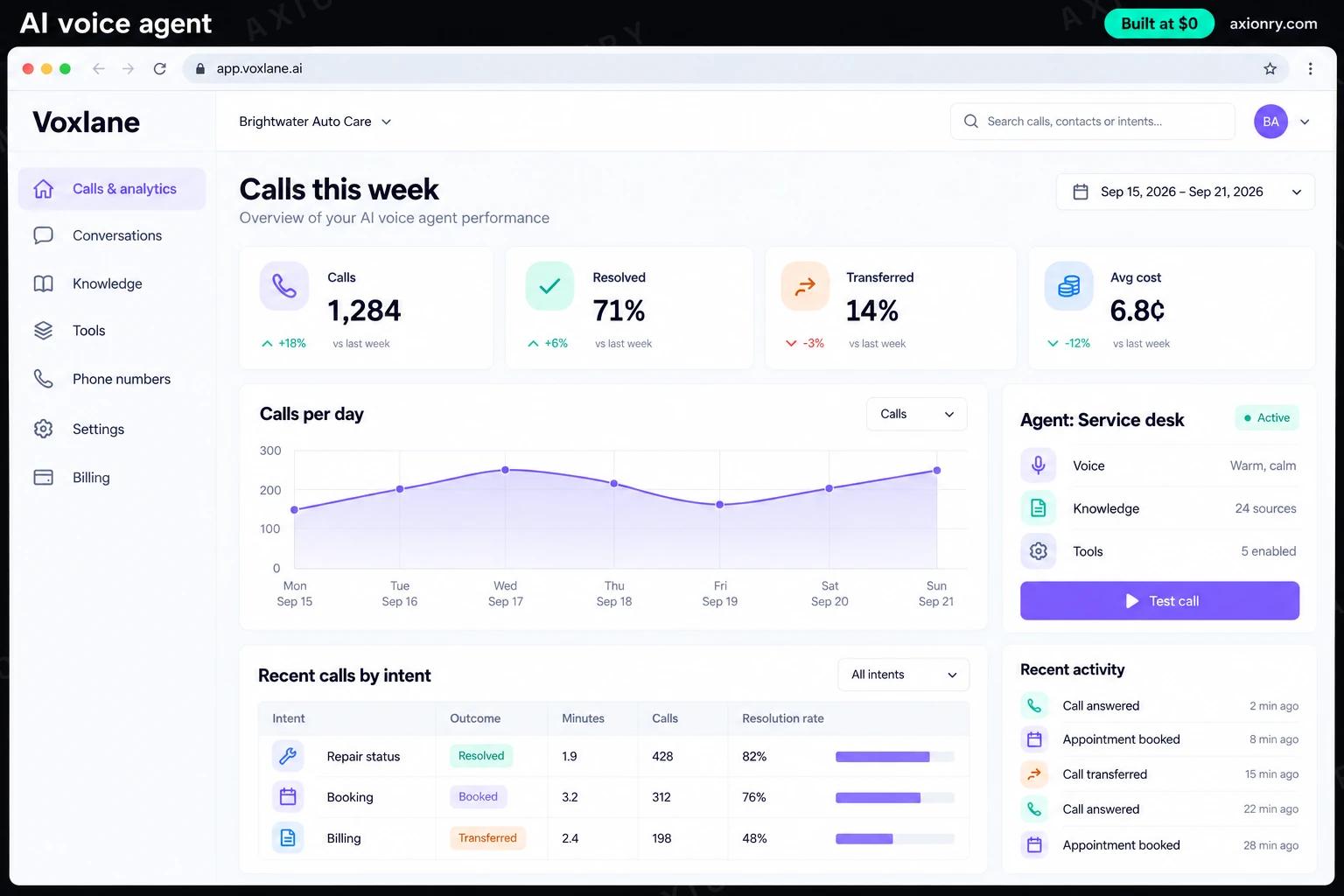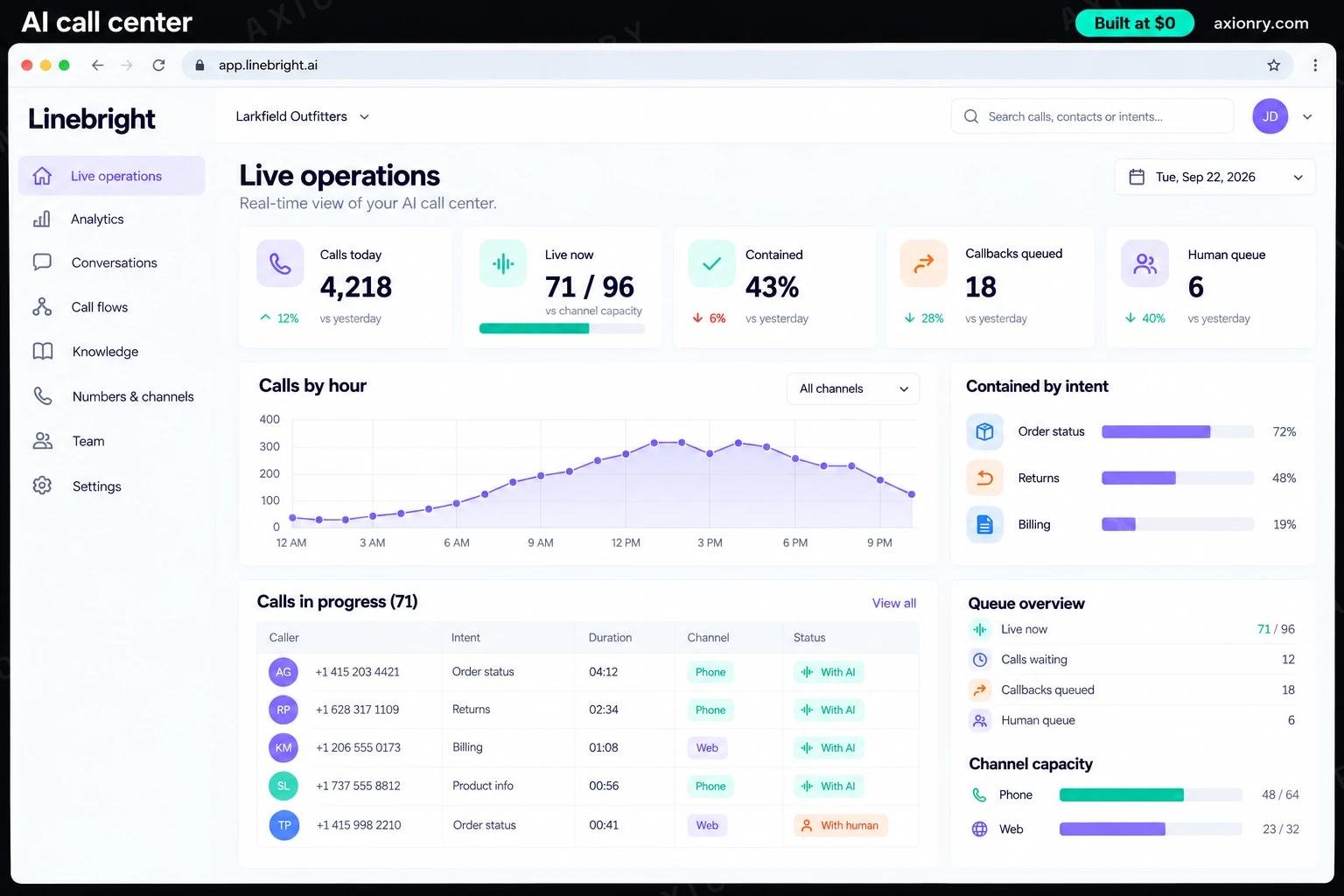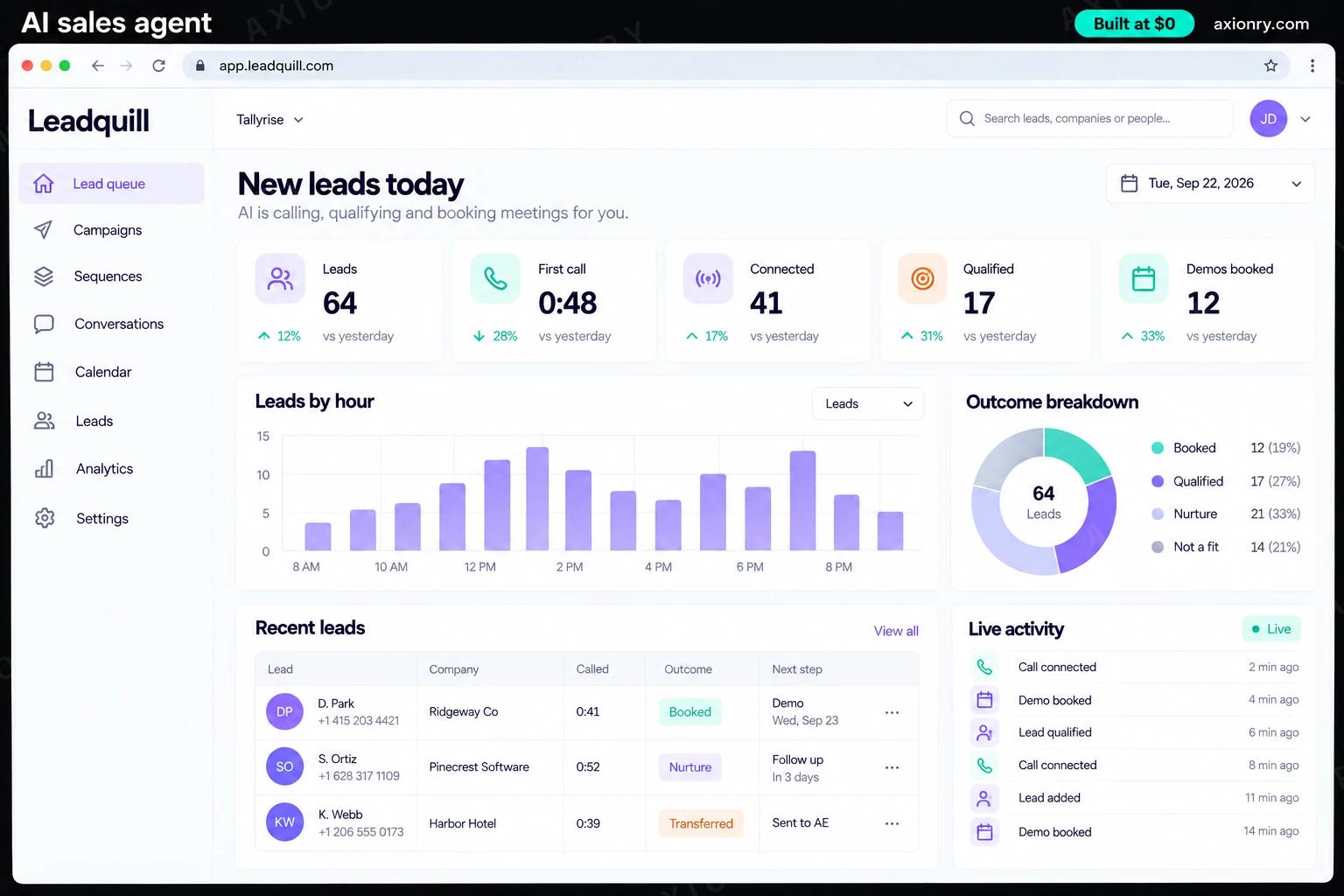
What can a custom voice AI agent do?
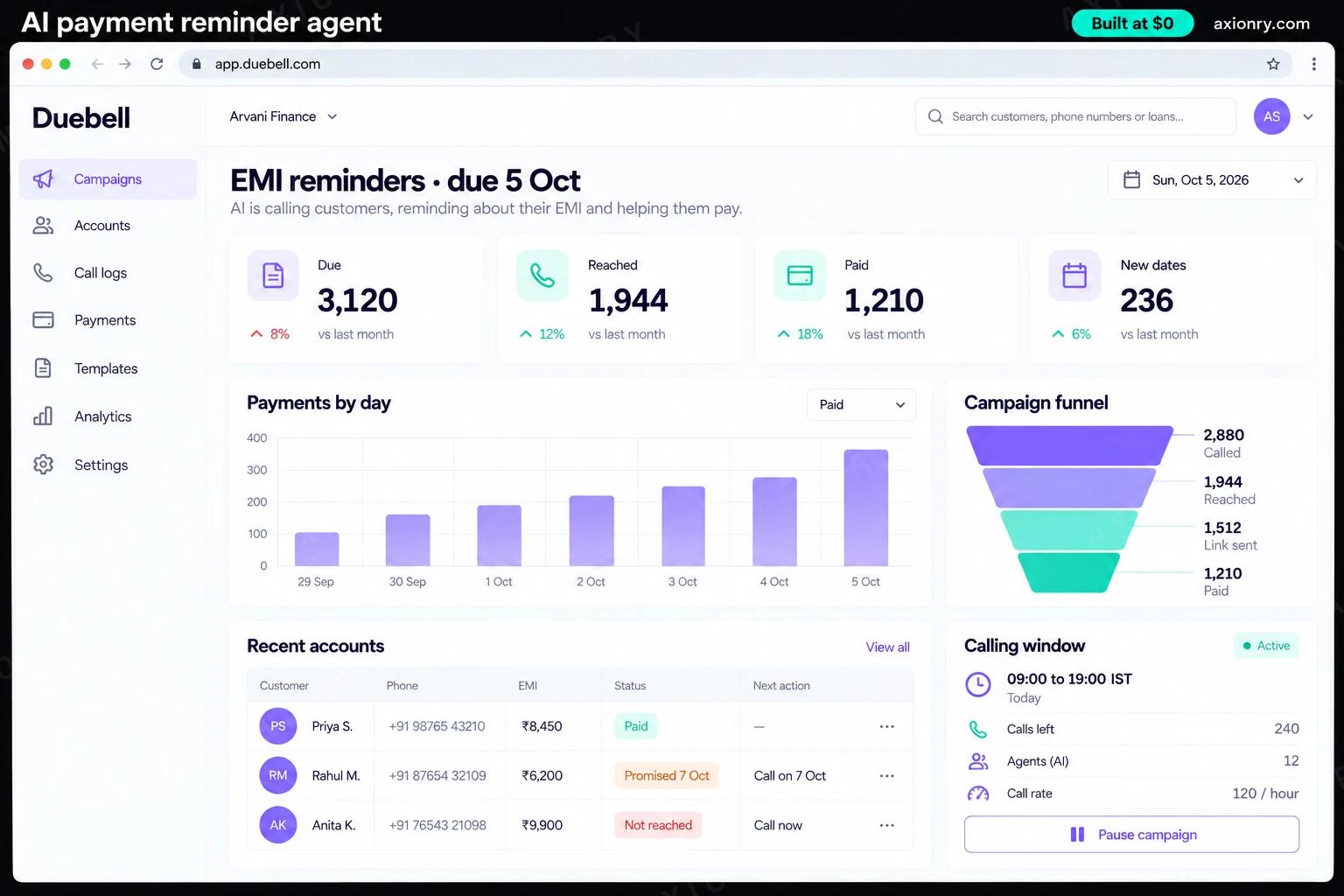
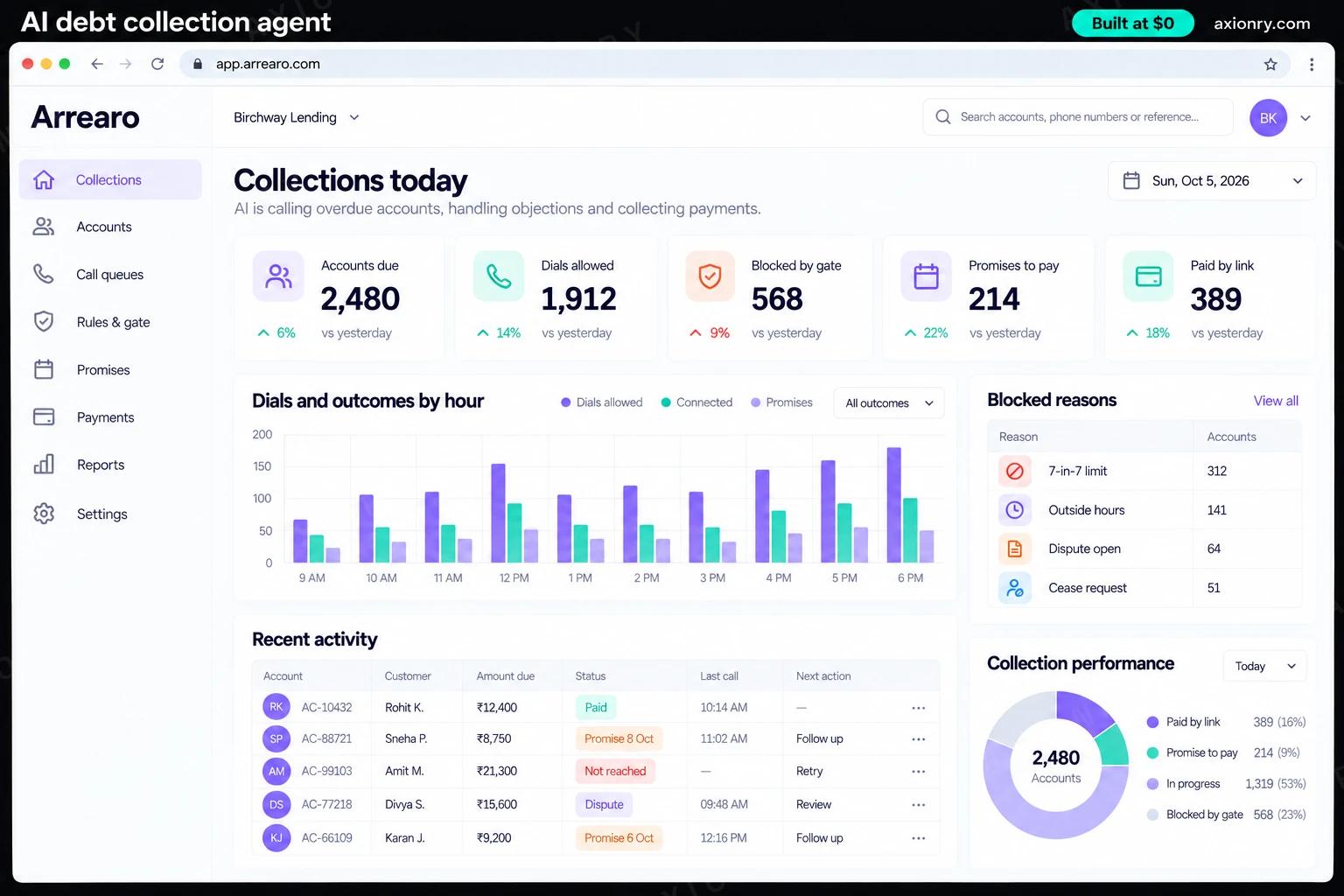
It can answer and qualify inbound calls 24/7 as an AI receptionist or answering service, run outbound campaigns with natural conversation, and conduct structured AI interviews at scale (the system I built powers assessments for 20+ enterprise clients). It books appointments, takes orders and routes to humans with full context, and it speaks with sub-second latency using a streaming STT, LLM and TTS pipeline.
Why custom instead of Retell, Vapi or Bland?
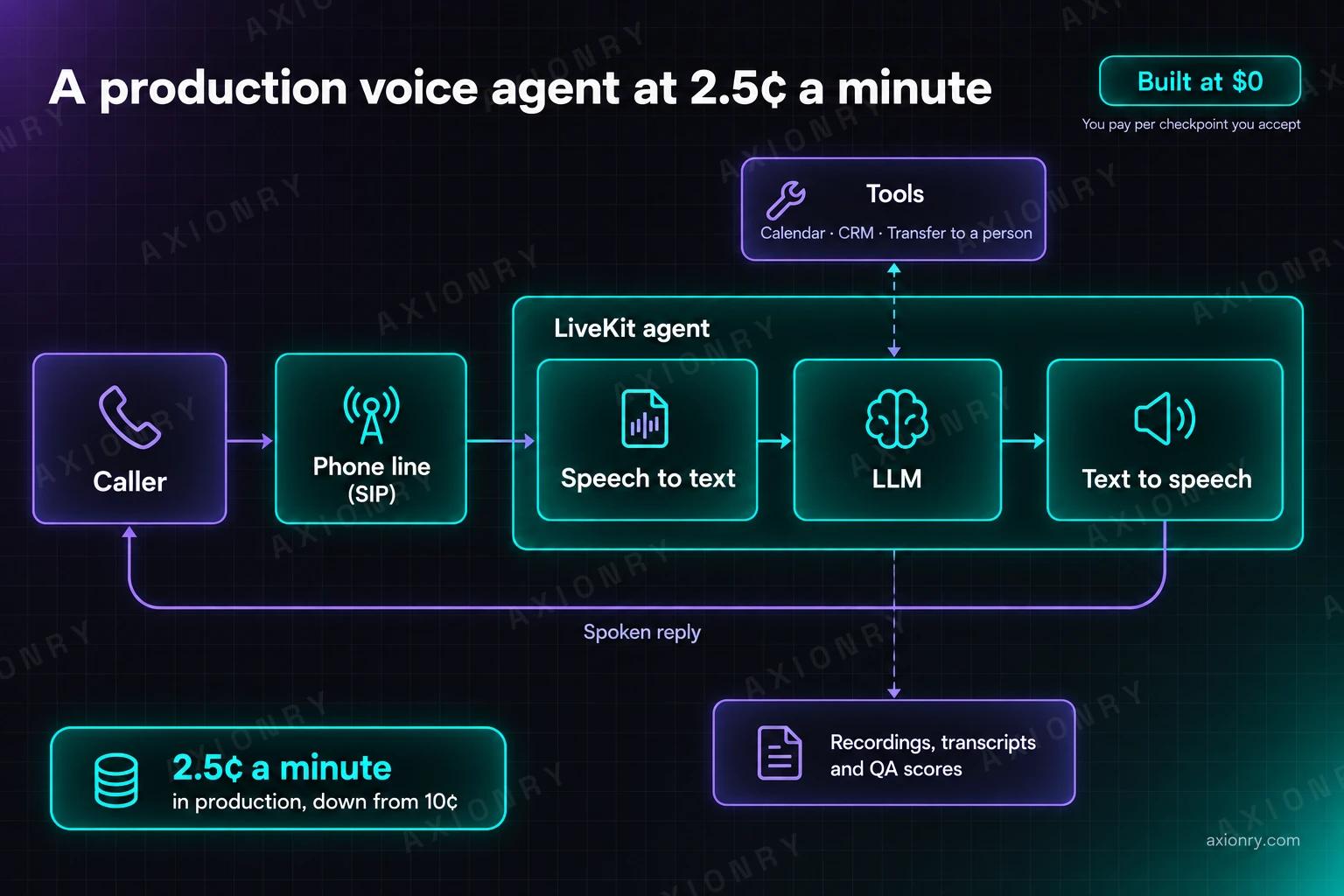
Platforms are the right choice for a weekend prototype. At scale, their 8 to 15 cents a minute becomes your margin. At 100K minutes a month, the gap between 10¢ and 2.5¢ is about $90,000 a year. You also own the stack: your own turn-taking logic, your own model routing, no per-seat lock-in, and the freedom to swap STT or TTS providers the day a cheaper one ships.
I integrated Retell in 48 hours for AccioJob (their published case study, a 70% false-positive reduction), then engineered our own LiveKit stack that took the marginal cost near zero on committed infrastructure. I've lived both sides, and I'll tell you plainly which one your stage actually needs.
Stack and delivery
The stack is LiveKit for WebRTC transport and the agents framework, xAI for streaming STT and TTS, Gemini 2.5 Flash-Lite for LLM routing, and telephony over Telnyx SIP. Self-hosted agent workers keep the marginal cost near zero on committed infrastructure. Everything ships with full observability: transcripts, latency traces and cost per call. It's delivered as your infrastructure, on your accounts, as your IP.
Pricing
| Engagement | Scope | Price |
|---|---|---|
| Voice Agent MVP | One production use case, telephony + dashboard (3 to 4 weeks) | from $12,000 |
| Platform Migration | Retell/Vapi/Bland → your own LiveKit stack | from $8,000 |
| Cost Audit | Per-minute cost breakdown + reduction roadmap | $1,500 fixed |